

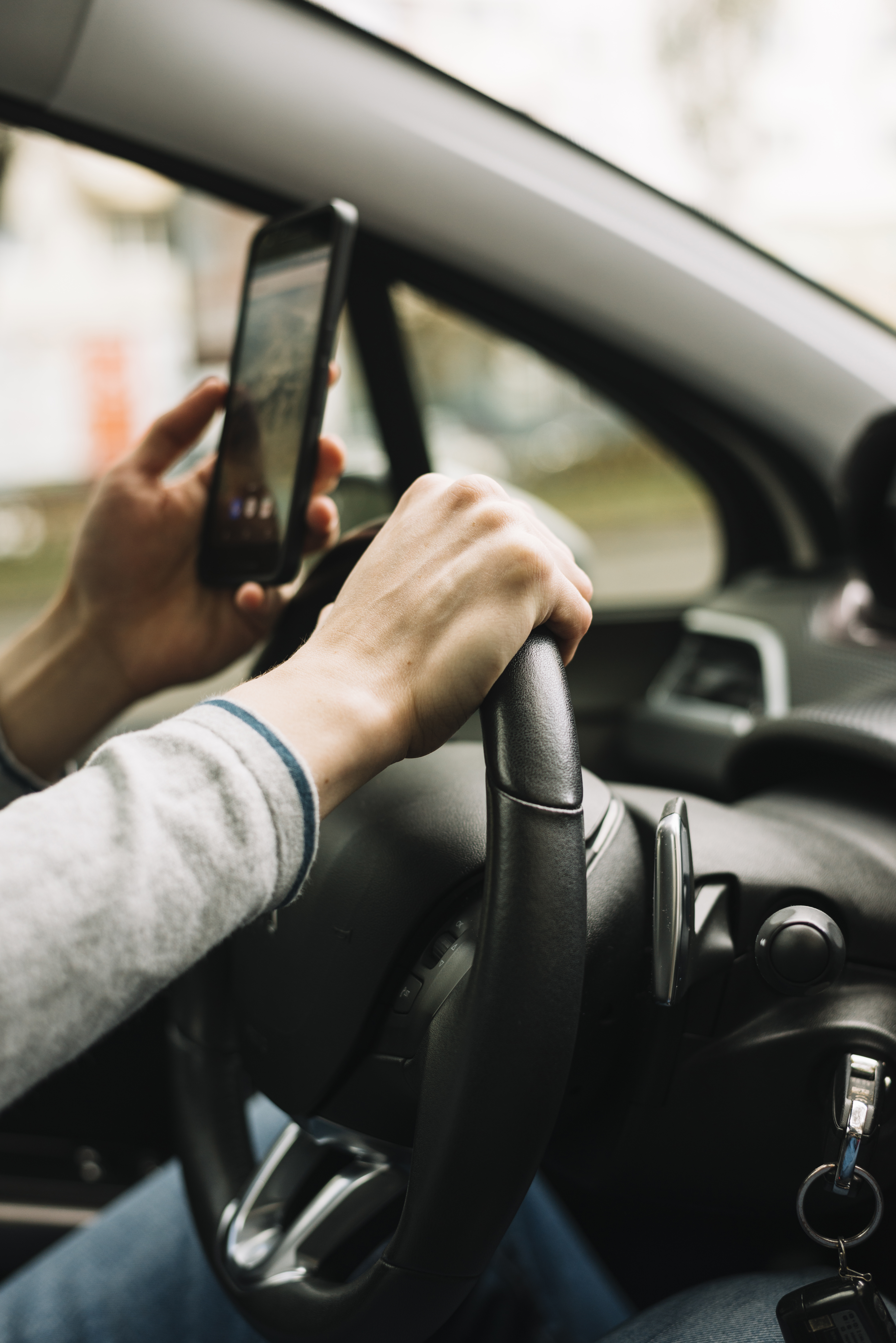
Distracted driving remains a major contributor to traffic accidents nationwide, and while awareness has increased, proving that distraction played a role in a crash is far from simple. Personal injury attorneys must piece together digital data, eyewitness statements, and physical evidence to reveal what truly happened. When used together, these elements create a strong narrative that links a driver’s lack of focus to the collision.
With Distracted Driving Awareness Month approaching in April, it’s a good time to understand how this combination of evidence can help show negligence and support injury claims.
Digital Evidence: Following the Driver’s Technology Trail
Phone Activity and App Interactions
One of the clearest indicators of distracted driving is the driver’s phone usage. Details such as calls made, texts sent, or apps opened near the time of a crash can reveal whether a device was being used. Even without seeing message content, simple timestamps can suggest that attention was diverted.
This type of data is not always easy to obtain. Phone companies often retain records only briefly, and access usually requires a subpoena. In some cases, forensic experts may examine the device itself, uncovering deleted information or evidence of background activity such as social media scrolling, GPS checking, or opening messaging apps. These insights help establish a more precise timeline of distraction.
Social Platforms and Location Signals
In the age of constant connectivity, many drivers engage with social media while behind the wheel—sometimes posting updates, checking notifications, or even livestreaming. These actions can become critical pieces of evidence after a crash.
Location data, app transitions, typing indicators, and user activity logs help reveal whether someone was more focused on their screen than the road. When combined with phone records, these digital markers form a detailed picture of a driver’s behavior leading up to the accident.
Eyewitness Testimony and Video: Visual Confirmation of Negligence
Witness Perspectives
Accounts from bystanders, passengers, or other motorists often play a key role in distracted driving cases. Witnesses may recall seeing the driver looking down, holding a device, or engaging in something unrelated to driving moments before the collision. Their observations help support digital evidence and add human context to the story.
Some witnesses also remember the driver’s actions after the impact—such as admitting they were using their phone or having a lit screen visible in the vehicle. These details can significantly strengthen a claim of negligence.
Dashcams and Surveillance Video
Traffic cameras, security systems near intersections, and personal dashcams often capture important moments leading up to an accident. If footage shows a vehicle veering, failing to stop, or a driver visibly interacting with a device, it becomes compelling evidence.
Because these recordings are commonly overwritten within days or even hours, it’s essential to act fast. Legal teams must identify and request this footage quickly to prevent permanent loss.
Vehicle and Scene Evidence: Physical Signs of Inattention
What Event Data Recorders Reveal
Modern vehicles usually contain Event Data Recorders (EDRs), often called black boxes. These devices capture key information about the seconds before a crash, including speed, braking, throttle position, and steering movements.
If the data shows no attempt to brake or swerve, it may indicate the driver didn’t notice the danger in time—likely because they were distracted. When matched with witness statements or digital proof, EDR data helps build a clear narrative of inattentive driving.
On-Site Clues and Accident Reconstruction
Despite advances in technology, traditional crash scene investigation still provides essential insight. Elements like skid marks (or the lack of them), how vehicles are positioned, and where debris lands help create a timeline of the incident. For example, if a stopped car is struck from behind with no skid marks from the at-fault driver, it strongly suggests they weren’t paying attention.
Accident reconstruction specialists can use these details to recreate the crash and determine whether the collision could have been avoided if the driver had been alert.
Legal Timing: The Urgency of Acting Quickly
Even the strongest evidence becomes useless if it’s lost. Phone records, social media data, and video footage are often deleted or overwritten within short windows—sometimes within days. Additionally, subpoenas to preserve or obtain this information can’t be issued until a case is formally underway.
For this reason, reaching out to a personal injury attorney immediately after a suspected distracted driving crash is crucial. An experienced legal team will:
- Send preservation requests to phone companies and social platforms
- Secure dashcam or surveillance footage before it disappears
- Review vehicle EDR data and physical evidence
- Work with reconstruction experts to analyze the crash
- Begin the legal process to protect your rights
Waiting too long can result in irreplaceable evidence being lost forever.
The Path to Recovery Starts With Prompt Legal Support
Proving distraction requires more than a hunch. It takes swift evidence gathering and a thoughtful legal strategy. Whether the distraction involved texting, checking social platforms, or using GPS, uncovering the truth can make the difference between an uncertain outcome and a fair resolution.
If you were hurt in a crash and suspect the other driver was distracted, take action sooner rather than later. Contact a personal injury attorney who understands how to leverage digital, physical, and testimonial evidence to build a strong case.
Your recovery and your rights matter. The sooner you get help, the better positioned you’ll be to pursue the justice and compensation you deserve.