

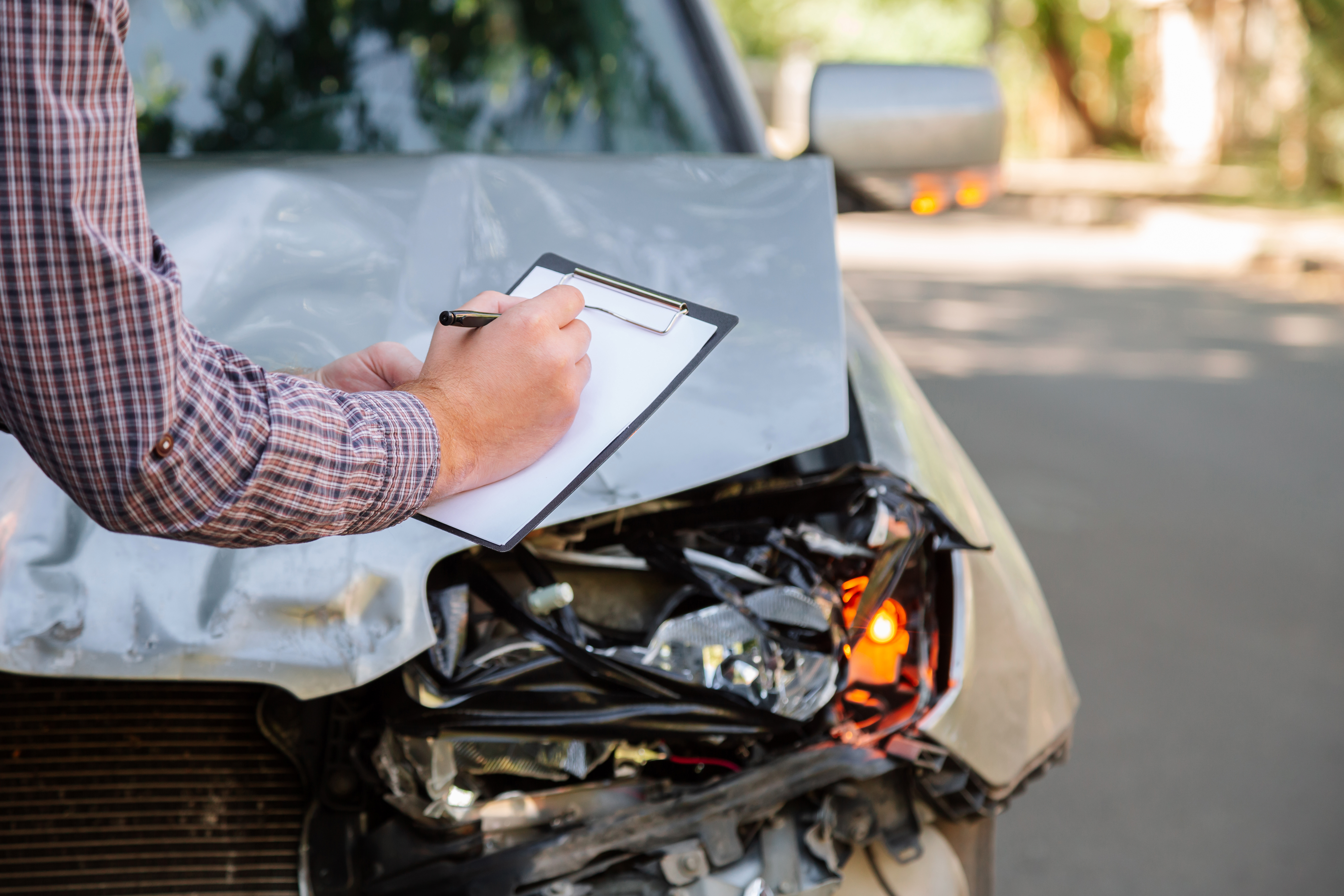
When employees are required to drive as part of their job—whether they’re using a company-issued vehicle or their personal car—their employers can sometimes be held legally responsible if a crash occurs. This concept stems from the principle of respondeat superior, which essentially means an employer may be accountable for an employee’s actions as long as those actions take place within the scope of work. That includes activities like making deliveries, meeting with clients, or running work-related errands. On the other hand, if an employee is driving for personal reasons, traveling under the influence, or simply commuting to and from the workplace, the employer generally is not liable for any resulting accidents. In those situations, the employee’s own auto insurance typically handles the claim.
Workplace driving incidents are a major contributor to injuries and fatalities across the country each year. Thousands of workers are involved in vehicle crashes on the job, often leading to significant time away from work and costly recovery periods. Many of the root causes of these incidents look similar to everyday road hazards—such as distracted driving, excessive speed, drowsiness, or poor vehicle upkeep. However, driving for work adds layers of complexity, including tight deadlines, unfamiliar destinations, and the expectation of multitasking while moving from place to place. These added pressures emphasize how important it is for employers to prioritize vehicle maintenance, offer thorough driving safety training, and set reasonable workload expectations that help reduce risky behaviors on the road.
If an employee is injured while driving for work-related purposes, they are typically entitled to workers’ compensation benefits. This coverage applies regardless of who caused the accident and generally helps pay for medical treatment, rehabilitation, and partial income replacement during recovery. Because workers’ compensation is a no-fault system, employees cannot receive compensation for pain and suffering under this program. However, they may still have the option to pursue separate claims against third parties, such as negligent drivers, manufacturers of faulty vehicles or parts, or other entities whose actions contributed to the crash. When employees use their personal cars for work duties, they can still access workers’ comp benefits, but any damage to their vehicle is usually handled through their personal auto insurance policy.
For accidents involving a company vehicle, employer responsibility depends heavily on the circumstances. Most companies carry insurance for their fleet or business vehicles, and this coverage often includes protection for third-party injuries or property damage caused by an employee. Even so, there are situations where the employee may bear personal responsibility. For example, if the worker was acting outside their job duties, driving while impaired, or violating established company rules, they may face both financial and disciplinary consequences for the crash. There are also cases where liability is shared between the employee and employer. This often occurs when the employer has failed to adequately train or supervise the driver, perform necessary vehicle maintenance, or properly evaluate the employee’s qualifications before assigning driving duties.
Sorting out liability in a work-related car accident requires a close look at why the employee was driving at the time of the crash, what company guidelines were in place, and which insurance policies apply. These factors help determine who is financially responsible for damages, how injuries will be compensated, and what legal rights each party has following the incident. Both employers and employees benefit from understanding these distinctions, as they directly influence how claims are handled and what protections are available after an accident involving job-related driving.
Why Clear Policies Matter
Because work-related driving carries added risks, clear employer policies are essential. Written procedures help establish expectations and reinforce safe driving habits. For example, employers may implement rules regarding mobile device use, maximum driving hours, or required rest breaks. These guidelines not only promote employee safety but also reduce the likelihood of employer liability should an accident occur.
Employers who take proactive steps—like conducting regular vehicle inspections, offering refresher training, and enforcing safety policies consistently—can significantly lower the chances of accidents happening. At the same time, employees benefit from understanding their responsibilities, knowing when they’re covered by workers’ compensation, and being aware of how their personal insurance may come into play.
The Bottom Line
Determining who is responsible for a work-related car accident isn’t always simple. Factors like the purpose of the trip, the condition of the vehicle, the behavior of the driver, and the employer’s policies all influence how liability is assigned. With a solid understanding of these elements, both employers and employees can better navigate the aftermath of a crash and ensure the appropriate protections and resources are in place.